If you wake up with jaw pain, headaches, facial tension, or signs of teeth grinding, you are not alone. TMJ dysfunction and chronic clenching affect thousands of people across Portland, often silently. Many patients don’t realize their jaw muscles are overworking until they experience daily discomfort, uneven facial tension, or dental damage. What surprises many …

If you wake up with jaw pain, headaches, facial tension, or signs of teeth grinding, you are not alone. TMJ dysfunction and chronic clenching affect thousands of people across Portland, often silently. Many patients don’t realize their jaw muscles are overworking until they experience daily discomfort, uneven facial tension, or dental damage.
What surprises many first-time patients is that Botox, widely known for wrinkle reduction, is also one of the most effective non-surgical treatments for TMJ disorders and masseter hypertrophy. At Elevated Aesthetics with Elana in Portland, Oregon, we treat both the functional pain and the aesthetic concerns that come with jaw tension.
This guide explains:
- How Botox works for TMJ and masseter muscles
- Cost and longevity of this treatment in Portland
- Who it’s for (and who should avoid it)
- What results actually look like
- Safety, risks, and real expectations for 2026
How Botox Treats TMJ & Masseter Tension
TMJ (temporomandibular joint) disorders commonly involve:
- Jaw pain
- Facial tightness
- Clicking or locking
- Teeth grinding (bruxism)
- Chronic headaches
- Neck and shoulder tension
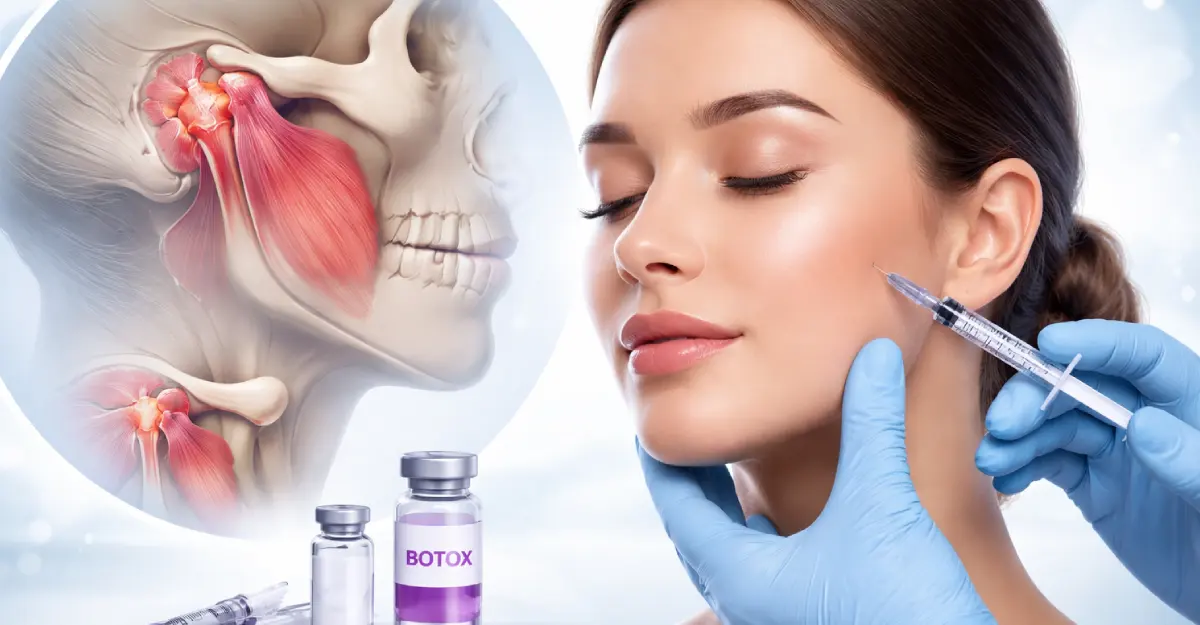
The primary culprit is often overactive masseter muscles, the thick muscles on each side of your jaw, responsible for chewing and clenching. These are the strongest muscles on your face.
Botox works by temporarily relaxing these overactive muscles. When injected directly into the masseters:
- The force of clenching weakens
- The jaw joint experiences less compression
- Headaches often reduce
- Facial tension softens
- The jawline may appear slimmer over time
Unlike night guards or medications that manage symptoms, Botox treats the source of the muscle overactivity.
This treatment is both:
- Therapeutic (pain relief)
- Aesthetic (jaw slimming and softening)
It also pairs well with other wrinkle/muscle relaxing treatments patients research.
Why TMJ Botox Is Surging
Botox for TMJ and masseter treatment is accelerating due to:
- Increased stress-related bruxism post-pandemic
- More screen time and poor jaw posture
- Awareness on TikTok and Instagram (jaw slimming + pain relief)
- Preventative neuromodulator trends replacing reactive treatment
Patients are now seeking customized, anatomy-based dosing, not cookie-cutter units, a philosophy central to Elevated with Elana’s injector-led planning.
Cost & Pricing: Botox for TMJ in Portland, Oregon
Botox for TMJ requires more units than cosmetic wrinkle treatment, which affects pricing.
Typical Portland Pricing Ranges:
- $400–$900 per session, depending on:
- Muscle size
- Severity of clenching
- History of grinding
- Facial asymmetry
- Previous Botox exposure
Some patients require higher dosing initially, then lower maintenance dosing every 3–6 months.
While insurance may occasionally cover medically coded TMJ Botox, most med spa treatments are self-pay. A personalized consultation is the only way to determine precise unit needs.
Results & Longevity Timeline
What patients typically feel:
Days 3–7:
- Jaw muscle tension begins softening
- Clenching strength decreases
Weeks 2–4:
- Maximum pain relief
- Reduced headaches
- Less morning jaw soreness
Months 1–3:
- Masseter muscles slim gradually
- Facial shape may appear more tapered
Longevity:
- TMJ relief lasts 3–6 months
- Aesthetic contour changes often last longer with repeat treatments
With consistent treatments, many patients require lower doses over time as the muscle weakens from disuse.
Who Is a Good Candidate for TMJ & Masseter Botox?
You may be a strong candidate if you have experience:
- Chronic jaw pain or clicking
- Facial tension
- Teeth grinding or cracked molars
- Tension headaches
- Enlarged jaw muscles
- Asymmetrical lower face from clenching
- Jaw widening from overuse
Botox is especially effective for:
- Stress-related bruxism
- Exercise-induced jaw clenching
- Sleep-related grinding
Who Should Avoid or Delay Treatment?
Botox may not be appropriate for:
- Pregnancy or breastfeeding
- Certain neuromuscular disorders
- Active jaw infections
- Untreated structural joint disease (disk displacement)
A proper consultation ensures Botox is being used ethically and appropriately, not as a shortcut where other medical care is required.
Risks, Side Effects & Recovery
When administered by a trained injector with deep knowledge of facial anatomy, Botox for TMJ is considered very safe.
Common temporary effects:
- Mild soreness at injection sites
- Short-term chewing fatigue
- Subtle bite adjustment sensation
Less common risks:
- Temporary smile asymmetry
- Difficulty fully clenching hard foods
- Chewing weakness (dose-related)
Downtime:
- No true downtime
- Avoid facial massage and intense chewing for 24 hours
Botox for TMJ vs Dermal Fillers: Know the Difference
Patients sometimes confuse Botox with fillers, but they work very differently:
| Botox | Dermal Fillers |
| Relaxes muscle | Restores volume |
| Treats clenching & tension | Treats hollows & folds |
| Temporary nerve signal block | Physical volume replacement |
| Used for TMJ, migraines, wrinkles | Used for lips, cheeks, folds |
Before & After Expectations
Botox does not:
- Permanently alter bone structure
- Replace orthodontics
- Cure all TMJ disorders
What patients can expect:
- Reduced muscle-driven pain
- Less grinding over time
- Softer jawline contour with repeated sessions
- Improved quality of life for clenching-related symptoms
Jaw slimming is gradual and subtle. Pain relief is the primary clinical goal.
Frequently Asked Questions
1. Does Botox permanently fix TMJ?
No. Botox provides temporary relief by relaxing the muscles. Interval maintenance treatments are required.
2. Will I still be able to chew normally?
Yes. You may feel temporary chewing fatigue, but normal function returns.
3. Can masseter Botox change my face shape?
Yes, gradual slimming may occur with repeated treatments.
4. Does TMJ Botox help with headaches?
Many patients report fewer tension headaches linked to jaw clenching.
5. How many units are needed?
It varies widely by muscle size and severity. Only an in-person exam can determine this.
6. Is TMJ Botox the same as cosmetic Botox?
Same medication, different dosing strategy and muscle targets.
7. Can I combine TMJ Botox with cosmetic Botox?
Yes, many patients treat both function and aesthetics in one session.
8. How soon can I return to work?
Immediately. There is no downtime.
If you are experiencing jaw pain, chronic clenching, or are curious about facial slimming from masseter Botox, a personalized consultation is the safest next step.
At Elevated Aesthetics with Elana in Portland, Oregon, every treatment plan is:
- Anatomy-driven
- Dose-customized
- Safety-first
- Ethically administered
- Designed for both relief and balance
TMJ Botox is not a one-size-fits-all service, and it should never be treated that way.